
Spiritual Journeys: Cities in India for Soul-Searching and Serene Hotels
India is a land of diverse cultures, religions, and spiritual traditions. For centuries, seekers from all over the world have been drawn to its ancient wisdom and mystical energy. From the bustling st...
India's Festivals: What and When
Discover the vibrant tapestry of India's festivals with HotelSpot India. From the colorful revelry of Holi to the sacred rituals of Diwali, immerse yourself in the rich cultural heritage and timeless ...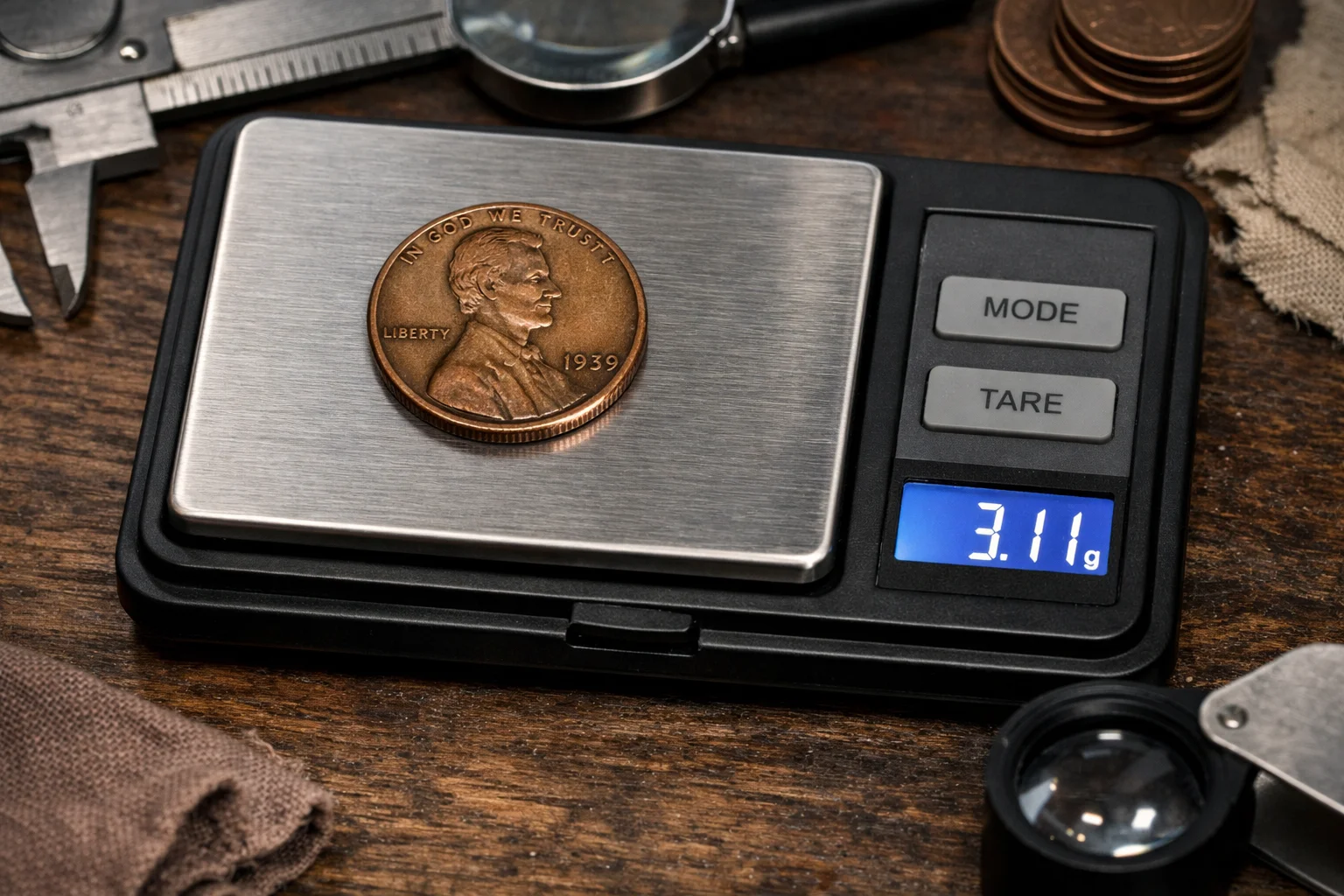
How to Evaluate a 1939 Penny No Mint Mark Like a Collector
A practical guide to evaluating a 1939 penny with no mint mark, including condition, color grades, mint errors, and realistic value expectations....The Most Expensive Nickels Ever Sold — and Why They Matter

Regular issue five cent coins showing basic Good condition have low market prices, costing around $1.50. Mint State condition coins show a different profit level, reaching a $450 average price.
Extremely rare mint errors break historical price limits, reaching a $4,560,000 record price for the most valuable nickels.
Condition dictates item value. Investors analyze market trends, buying undervalued coins. Government rules control physical coin details. Basic physical details change base metal prices.
Coin weight: 5.00 grams
Copper metal part: 75%
Nickel metal part: 25%
Diameter size: 21.21 mm
Thickness size: 1.95 mm
Raw metal price changes affect low grade coin prices. Base metal investment value changes often.
Investment Potential and Real Value
Coin collectors divide collection value and investment value. Auction records create a false average market picture.
Most market deals happen between $10 and $500. 1926-S Buffalo coins show a massive price gap. Good-4 condition pieces cost $18. MS-65 condition pieces cost $120,000.
This gap means a many thousand percent difference. 1913 Liberty Head five cent coins ignore standard price rules. Only five existing pieces survive today.
One piece reached a $4,560,000 record sale price in 2018.
Normal investors never see this asset type on open markets. Buyers make profit finding perfect condition 1939-D or 1950-D Jefferson coins. MS-66 condition 1950-D coin price equals $45. Buying uncertified coins brings high financial risks.
A one-point Sheldon scale difference changes prices by 300%.
Mint Errors

Factory mistakes bring maximum profit during resale. Experts group defects using origin types.
Double Die
Die doubling creates a visible image shift. 1916 Buffalo Double Die Obverse coins show a perfect error example. Date doubling appears clearly without using a magnifying glass.
VG-8 condition average price equals $4,500.
MS-64 condition record price reached $282,000.
Normal price growth showing this error equals 12% annually.
Off-Center
Image shifts happen following wrong blank planchet feeding. Coins showing over 50% shifts cost more. A full date visibility guarantees high prices.
1999 coin showing a 15% shift costs $15.
1999 coin showing a 55% shift reaches $300.
3-Legged Buffalo
Die polishing caused front buffalo leg disappearance on 1937-D coins. High defect popularity guarantees fast market sales.
VF-20 condition price equals $550.
MS-66+ condition record price reached $99,875.
Many fakes made using leg filing reduce uneducated buyer trust. Checking authenticity requires looking at the liquid stream under the animal.
Overdate
Date re-engraving creates number overlapping. 1914/3 coins show number 3 under the last number 4.
Fine-12 condition base price equals $225.
MS-65 condition record price reached $88,125.
Grade Price Matrix
Condition evaluation strictly dictates market prices. This price grid shows 1937-D 3-Legged Buffalo numbers.
PR-1 grade price: $150
G-4 grade price: $350
VG-8 grade price: $425
F-12 grade price: $475
VF-20 grade price: $550
XF-40 grade price: $850
AU-50 grade price: $1,200
MS-60 grade price: $2,500
MS-63 grade price: $4,500
MS-65 grade price: $25,000
MS-66 grade price: $45,000
Price Loss Reasons
Wrong handling destroys premium value additions. Chemical processes ruin metal surfaces forever.
Careless asset handling results:
Keeping coins inside plastic holders → green spot appearance → 40% price drop
Cleaning coins using rough materials → micro-scratch appearance → grade drop reaching Details level → 70% value loss
Polishing coins using jewelry paste → unnatural shine appearance → grading company rejection → sale matching metal price plus 10%
Dropping coins on hard floors → edge dent creation → 25% sale discount
High humidity exposure → metal corrosion → 50% value loss
Opening plastic slabs → authenticity guarantee loss → 15% market price drop
Practical Grade Check
Checking condition yourself saves cheap coin certification money. This process requires a direct light source.
Using a 10x magnifying glass is strictly necessary. Visual checks start focusing on highest relief points. Indian cheekbone represents the highest point on Buffalo coins. Cheekbone wear automatically drops grades below Mint State levels.
Jefferson coins require Monticello building step evaluation. Finding five full steps increases prices. MS-65 condition 1939-D coin price missing full steps equals $100. MS-65 condition 1939-D coin price having Full Steps equals $1,150.
Self evaluation steps:
Original mint luster check
High relief point wear analysis
Open field scratch count
Coin edge condition check
Database master photo comparison
Certification shipping cost calculation
Raw sale profitability decision
Toning Price Impact
Surface oxidation creates colored patina. Market players pay premiums buying attractive natural toning. Artificial toning means coin damage.
Recognizing fake patina saves money. Natural patina spreads unevenly, focusing near the edge. Fake patina has unnatural acid colors.
1938-D coin showing rainbow natural patina sold for $850.
Normal price for a similar coin lacking patina equals $45. This color premium reached almost 1800%. Wrong toned coin storage causes dark spots. Black patina drops asset liquidity near zero.
Shield Series Market Analysis
Shield coins left factories between 1866 and 1883. This series shows low strike quality following hard metal usage. Finding pieces showing sharp details is very hard. 1880 represents a key date for this series.
Good-4 condition price equals $1,200. MS-65 condition price reaches $45,000. Reverse star ray varieties exist only showing 1866 and 1867 dates.
XF-40 condition 1867 coin price having rays equals $150. XF-40 condition 1867 coin price missing rays equals $50.
Small detail presence triples prices. Die rust created many small varieties. Die variety study requires buying special books. Finding one rare coin pays back book costs.
Silver War Coin Varieties
Factories replaced regular metal using a silver mixture during wartime. Production happened between 1942 and 1945. A large mint mark above the dome represents the main difference.
Pure silver weight equals 1.75 grams. Base value always follows stock market silver prices. Silver price drops lower minimal values for these coins. 1943/2-P coins bring special value. Date re-engraving mistakes bring huge profits.
VF-20 condition price equals $100.
MS-67 Full Steps condition record price reached $14,100.
Buyers make profit checking old collections. Many collectors miss this variety, selling pieces using silver weight. Buying unsearched war coin lots represents a working strategy.
Value Increase Guide
Smart sale planning maximizes final profit. Raw coins sell cheaper comparing certified pieces. Sending coins for grading requires paying fees.
Base certification fee equals $23.
Certifying a $50 coin makes no financial sense.
Certifying a $500 coin is completely necessary. Having a green CAC sticker adds between 15% and 30% value. This sticker proves coin condition matches the printed grade.
MS-66 condition 1950-D coin costs $45. This same coin having a CAC sticker sells for $65.
Taking good photos increases final auction bids. Bad lighting hides luster, dropping sale prices by 20%. Using a macro lens shows hidden defect absence. Selling during bad economic times reduces active buyer numbers.